Nine Detailed Lake Guides
Explore the Lakes We Fish
The lakes we fish stretch from smaller Itasca County waters to major destination fisheries. Each guide brings the important details together so you can compare water, species, seasonal patterns, maps, access and trip-planning considerations without guessing.
Some groups want a classic walleye day, while others prefer multi-species flexibility, a large-water adventure or a comfortable setting for learning new techniques. Open any guide below for the full picture, or ask Scott to help narrow the choices around your dates and lodging location.
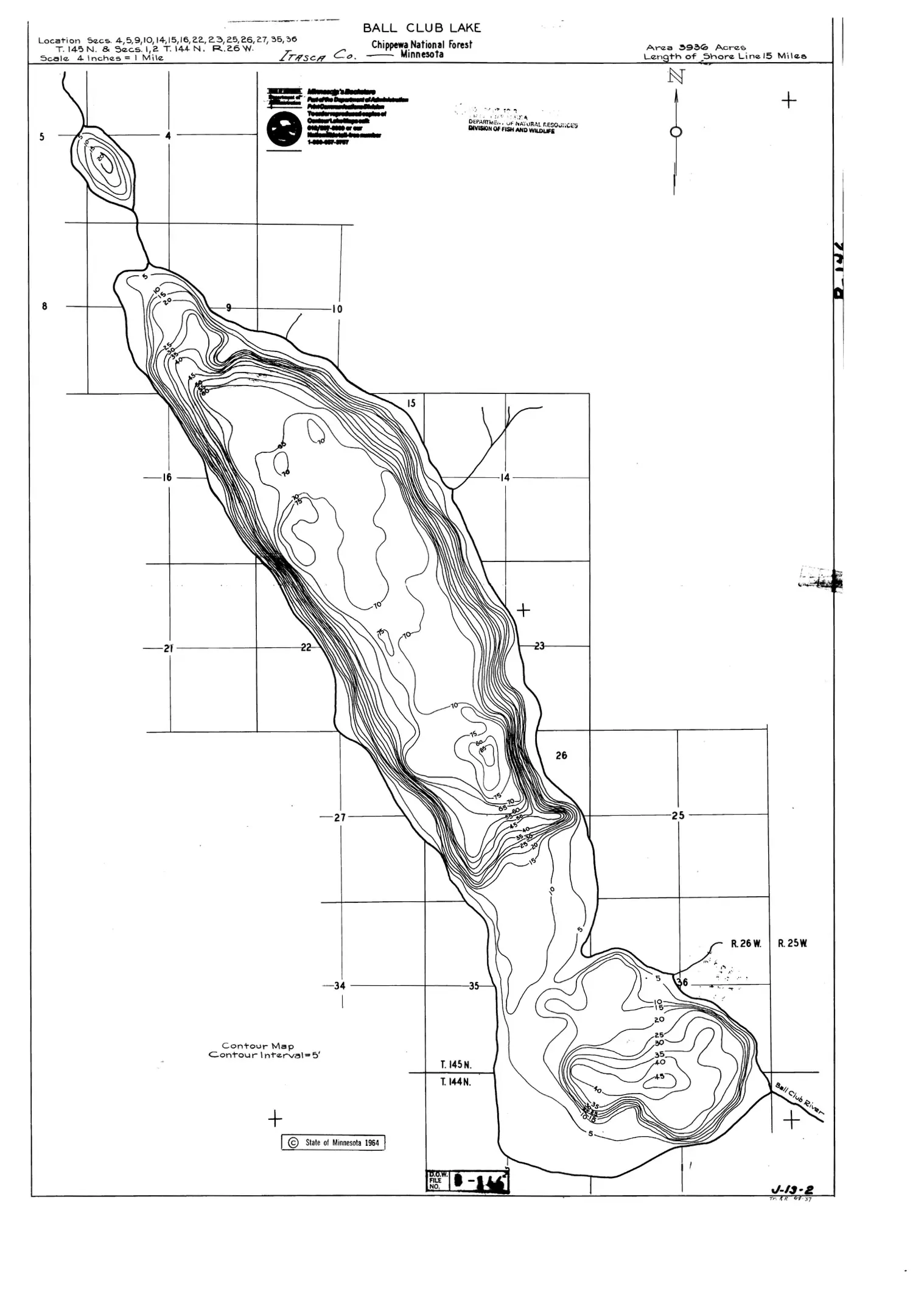
Ball Club Lake
A classic northwoods pike and walleye fishery shaped by shallow vegetation, changing breaklines and an 85-foot basin.

Bowstring Lake
Stained, relatively shallow water creates approachable walleye and northern pike options, while a varied panfish community adds flexibility.

Cass Lake
Islands, narrows and vegetation create varied shallow structure, while deep basins broaden the walleye, perch and muskie fishery.

Lake of the Woods
A destination-scale fishery where weather, distance, reefs, flats, walleye and sauger all shape the plan for the day.

Lake Winnie
Broad, exposed water emphasizes walleye and yellow perch across sand, bars, shoreline breaks and open-water forage.

Leech Lake
Rock, sand, bays, reefs and vegetation support walleye, muskie, yellow perch and several other species.

Red Lake
A broad shallow basin is known for walleye and large northern pike, so wind, current access and current reports guide every plan.
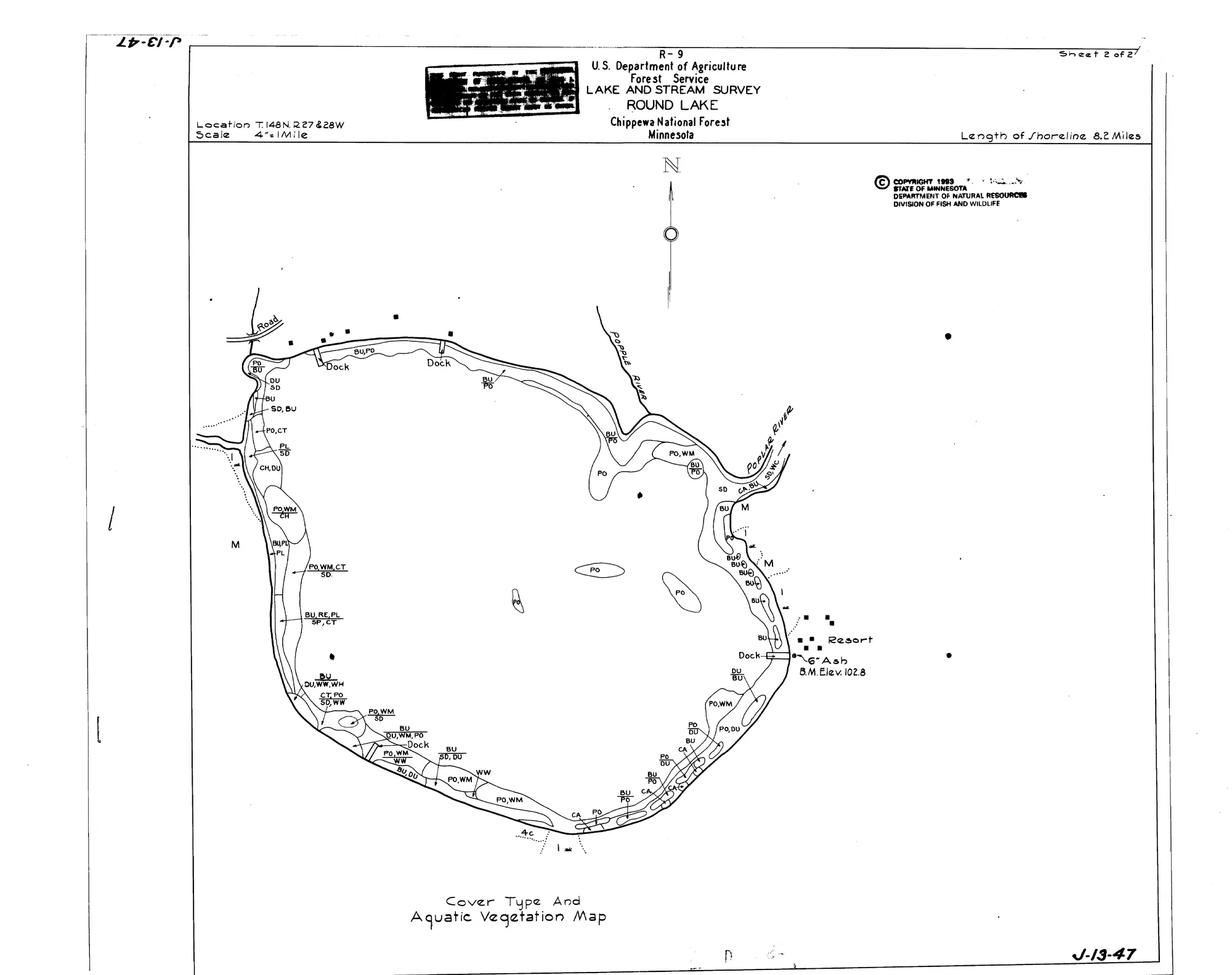
Round Lake
Clearer water and compact structure reward deliberate boat position, while depth control and presentation changes help address cautious fish.
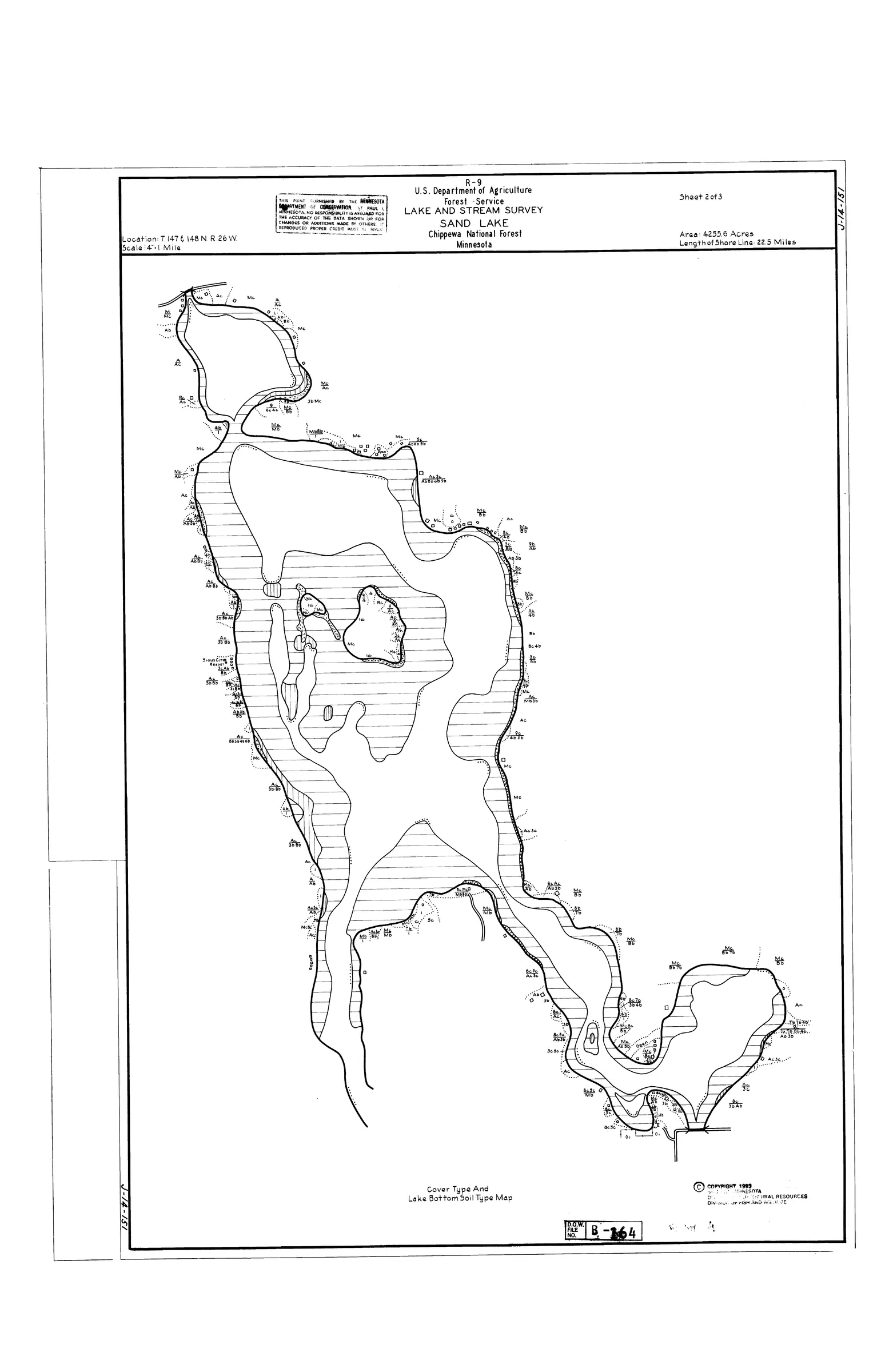
Sand Lake
Productive stained water supports bluegill, crappie, walleye and pike across weedlines and a deeper central basin.
Build the Right Day
How to Choose Between the Lakes We Fish
The lakes we fish do not offer one identical experience. Start with the kind of water and trip your group wants, then use the individual guides to compare the details.
Big-Water Adventure
Large fisheries offer expansive structure and destination-style fishing, but wind, distance and boat control play a larger role.
Classic Structure Fishing
For guests who want to learn how weeds, points, breaks and depth changes affect fish location, these waters provide useful variety.
Multi-Species Flexibility
Among the lakes we fish, several give a group room to adjust when weather, forage movement or fishing preferences change.
Winter Trip Planning
Ice-season opportunities can be significant, although current access, weather and verified ice conditions must always shape the final decision.
Conditions Lead the Plan
Seasonal Planning Across the Lakes We Fish
Because the lakes we fish differ in depth, water color, exposure and forage, the strongest option can change during the season. Therefore, Scott uses current information rather than relying on the calendar alone.
Spring
Warming shorelines, shallow structure and emerging vegetation can create early opportunities. Still, water temperature and wind determine how quickly a pattern develops.
Summer
Fish may spread across weeds, reefs, bars, breaks or open-water forage. Meanwhile, efficient searching and precise boat control become especially valuable on larger lakes.
Fall
Cooling water and changing forage can reorganize the lake. As a result, productive depth, presentation speed and the best shoreline may shift as weather systems pass.
Winter
Current access and verified ice information come first. Therefore, local guidance matters more than a date on the calendar because conditions can vary across the same lake.
Plan with Current Information
Official Minnesota Fishing Resources
Check current records and rules before visiting any of the lakes we fish. In addition, these official tools cover lake data, regulations and licensing.
Local Guidance Makes the Choice Easier
Not Sure Which Lake Fits Your Trip?
That is exactly what this hub is designed to solve. Scott uses the differences between the lakes we fish, along with current conditions, to recommend a practical starting point for your group.
- Group size, experience level and preferred pace
- Target species and techniques you want to learn
- Lodging location, travel time and realistic lake access
- Weather, wind, water temperature and recent fish activity
- Quality rods, reels, electronics, bait and tackle for the planned trip